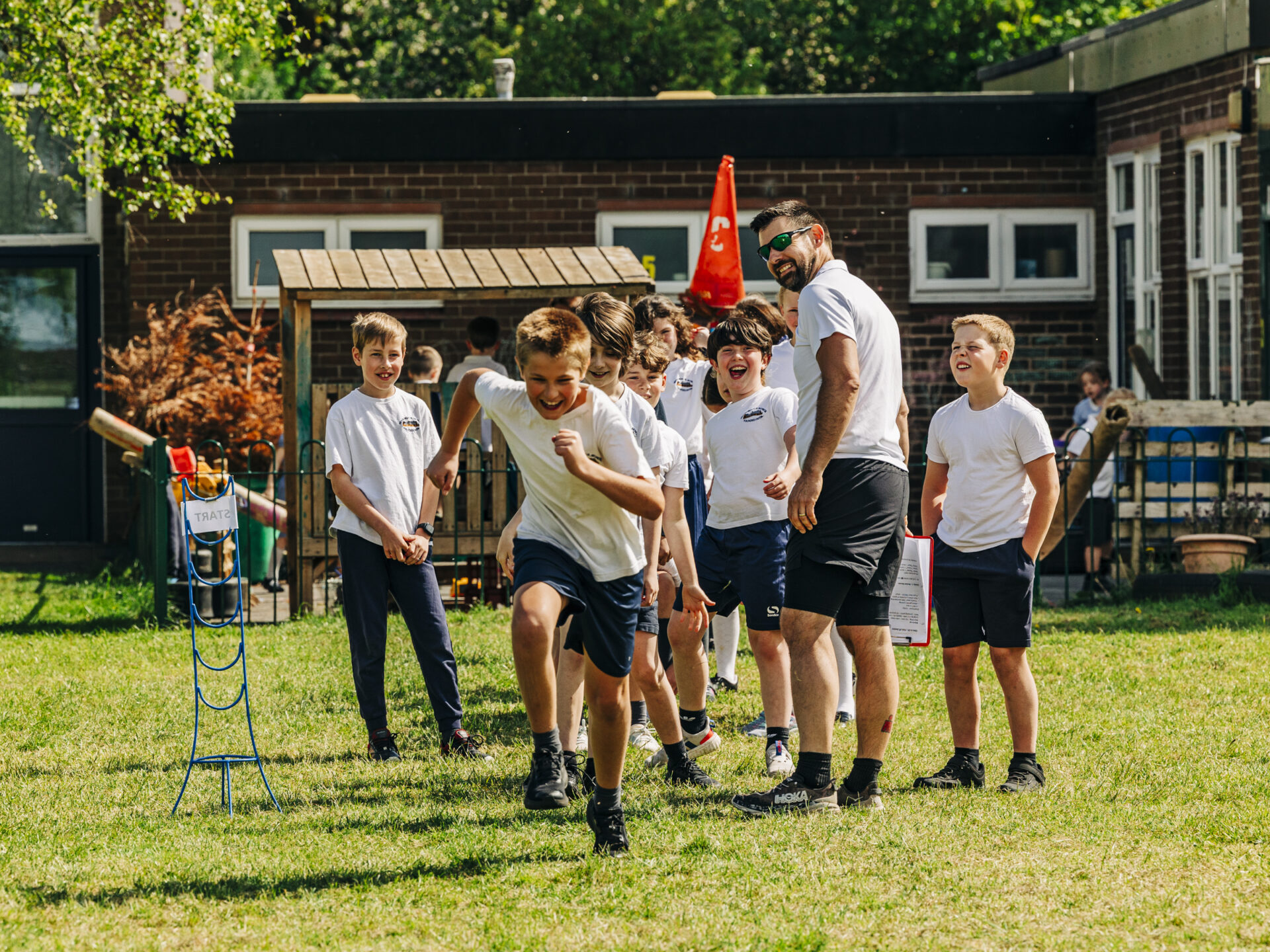



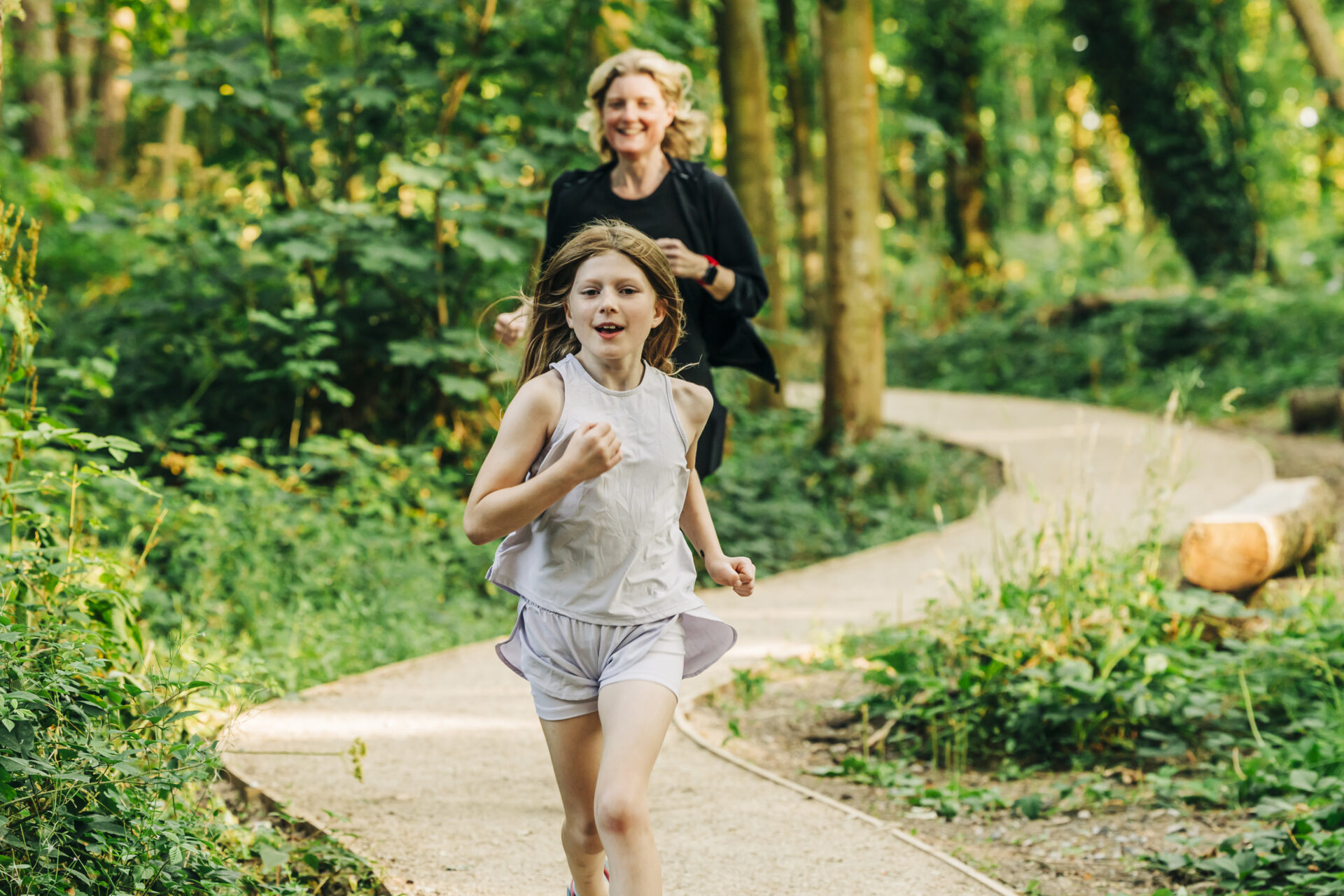

A 2K walk, a 3K run-walk or a 5K run can each be a significant achievement. What matters is where a child started and the progress they have made.
With a name like Class to 5K, you could reasonably assume that every child is expected to run five kilometres by the end.
I can understand that. It is right there in the name.
But Class to 5K gives children the opportunity to work towards a 2K, 3K or 5K challenge, with walking, run-walking and running all included.
The aim is for children to finish feeling proud of something they have worked towards, with more confidence to be active again.
For some, that will involve running 5K. For others, a shorter distance will be exactly the right challenge.
Both belong in the same programme.
Children start in different places
Any primary school teacher will recognise the range of experience within a single class.
Some children spend their weekends playing football or going to athletics. Others have very little experience of sustained physical activity. Some are keen to try anything. Others are already worried about being last before the session has even begun.
Their confidence, fitness and support needs will vary.
An inclusive school running programme needs room for those differences. Giving everyone the same compulsory distance can make the challenge feel out of reach for some children, even when they are making real progress.
I want those children to have a reason to keep coming back.
Why offer 2K, 3K and 5K?
A finish line gives children something concrete to work towards. Offering different distances helps schools make that goal appropriate to the children taking part.
A 2K challenge might be a substantial achievement for a child who began the programme reluctant to join in.
A 3K challenge might suit someone who has gradually become comfortable combining walking and running.
A 5K challenge gives children who are ready for a longer distance something to work towards too.
These are examples, rather than fixed rules. Teachers can consider pupils’ starting points, progress and needs alongside the programme guidance and their school setting.
The distances should never become labels for “good” and “bad” runners. A child completing 2K deserves to feel that they have completed their challenge in full.
Walking counts from the beginning
Walking has a proper place in Class to 5K.
Children can walk their challenge or combine walking and running throughout it. They do not have to earn the right to take part by first proving they can run continuously.
For a beginner, knowing that walking is allowed can make the first session feel much more approachable.
Run-walking also gives children a practical way to manage their effort. A planned walking section creates an opportunity to settle their breathing before running again.
That connects with something we teach throughout the programme: Chatty Pace. Children learn to judge their effort by whether they can still talk, helping them find a pace they can manage.
You can read more in What Is ‘Chatty Pace’ and Why Do We Teach It to Children?
What does progress actually look like?
Imagine a child who spends the first session hanging back, convinced they will struggle.
Over the following weeks, they begin joining in more readily. They learn to start steadily. They become comfortable taking a walking break and trying another running section when they are ready.
In Week 10, they complete a 2K run-walk and ask whether they can do something like it again.
I would be delighted with that.
There are plenty of useful signs of progress for teachers to notice:
- Taking part with more confidence.
- Moving for longer at a manageable effort.
- Learning to pace themselves.
- Needing less encouragement to get started.
- Recognising their own improvement.
- Wanting to be active again.
Children’s logbooks help make that progress visible. Looking back at their earlier activity gives them something personal to compare with how they are doing now.
A child who says, “That felt easier than last time,” has noticed something worth celebrating.
There is still room for ambition
Some children will be excited by the idea of running 5K. They may enjoy having a bigger distance to prepare for and feel proud of the work it takes to get there.
That enthusiasm deserves encouragement too.
Class to 5K includes ‘Explorer’, ‘Adventurer’ and ‘Trailblazer’ pathways to provide different levels of challenge within the same programme.
Teachers have a structure to follow while bringing their knowledge of the children. The goal is to find a challenge that gives each pupil something worthwhile to work towards.
A shorter distance can still require determination. A longer distance can be a rewarding next step when a child is ready.
Week 10 should feel like a celebration
The final event brings the ten weeks together.
Children have practised, recorded their activity and prepared for their chosen challenge. Now they get to put that work into action.
Schools can help every child feel included through the way they talk about the event. Recognise preparation, effort and individual progress across all the distances. Give the child finishing their walking challenge the same warm welcome as the confident runner.
Parents can work towards their own challenge too
The family element gives adults an opportunity to take part alongside their children.
Parents can purchase a separate, optional Class to 5K Parent Plan, delivered through TrainingPeaks, with solo sessions and sessions designed to do together.
They can practise starting steadily, taking walking breaks and recognising progress as a family. A parent learning alongside their child can show that adults have starting points and challenges too.
Schools do not need to administer the Parent Plan or collect payments, and purchasing it is not a requirement for children to join the school programme.
Find out more about the optional Parent Plan.
Could this work for your school?
Class to 5K is a ready-to-deliver, 10-week running and physical activity programme for children in Years 3 to 6.
Schools receive the teacher-led session plans, differentiated pathways, children’s logbooks, planning and safety guidance, parent communications and final-event resources. Your team can focus on helping pupils take part, with the programme and supporting materials already prepared.
If your first thought was, “Some of our children would struggle to run 5K,” I hope this helps you picture how they could participate.
They have a place in Class to 5K too.
Read our simple guide to how Class to 5K works
If you would like to talk through how it could work for your pupils, email info@classto5k.co.uk. I would be happy to help.
Julian Pletts
Creator, Class to 5K